01
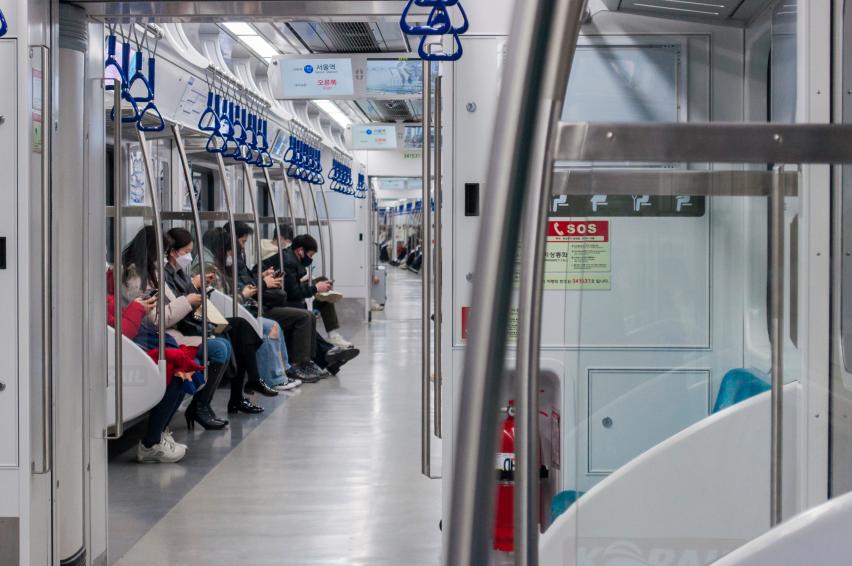
Match the line and the next station
- Open a current route. Note the boarding station, line, next station, transfer station and final stop.
- Before choosing a platform, match its arrow and listed stations with the next station in your route.
- Check the train's destination and whether it is local or express. The same line can branch or have trains ending early.
- Let passengers off first; after boarding, check the next-station display.
02
Transfer is different from Exit
Follow the full transfer path and any designated transfer-gate instructions. Do not choose a street exit simply because the route changes lines.
| Sign | What to do |
|---|---|
| 환승 / 갈아타는 곳 · Transfer | Follow the target line number, colour and direction. |
| 나가는 곳 · Exit | Leave the station only when this is your intended exit. |
| 출구 3 · Exit 3 | A numbered street exit, not a platform or carriage number. |
- 1Get off
- 2환승 · Transfer
- 3Next line's platform
- 4At destination: 나가는 곳 · Exit
03
If you board in the wrong direction
- Get off at a safe station and check the opposite direction before continuing.
- If changing platforms seems to require leaving the gates, show staff your destination first.
- Do not assume re-entry is free: Seoul's 15-minute rule only covers specified services and conditions.
Which platform goes to this station?이 역에 가려면 어느 승강장으로 가야 하나요?
I went the wrong way. Can you help me change platforms?반대 방향으로 왔어요. 승강장 이동을 도와주실 수 있나요?
04
Check the last train and the final walk
- Search the whole journey at your expected departure time, including every transfer.
- At the destination, tap out and follow the exit number in the walking route.
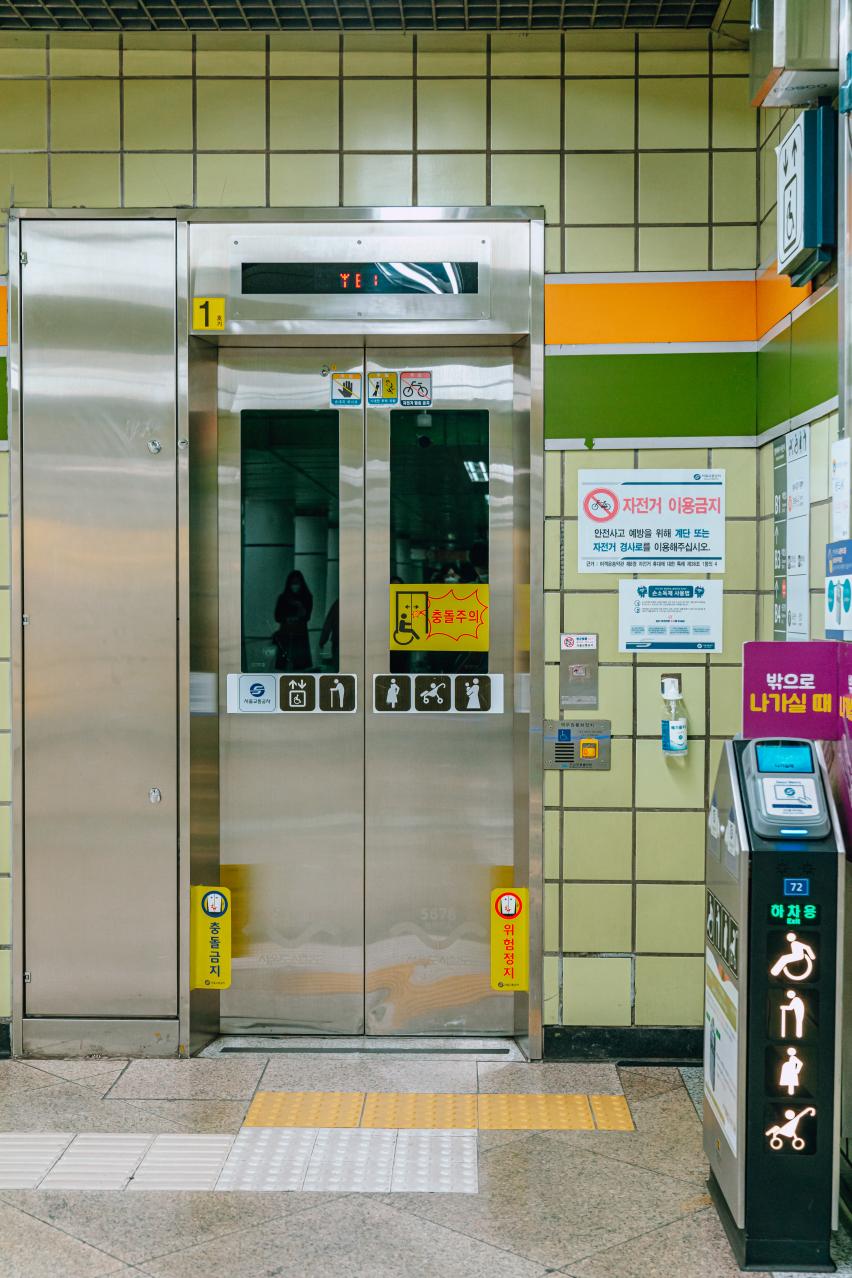
- With luggage, check the lift route to street level; the nearest numbered exit may have stairs.
- Keep your accommodation's Korean name and address available offline.
Sources and scope
Source review: 2026-10-16. Practical steps and itinerary combinations are editorial guidance. Check official notices for current opening hours, prices, availability and entry requirements.